Custom made chastity devices: what commissioning one actually involves
A custom made chastity device is one built to a specific body by a maker rather than picked from a catalogue, usually because that body sits outside the stocked sizes or because a stock device has already failed to fit. The work is a fitting process rather than a purchase: repeated measurement, often a trial piece, and adjustment after real wear. It is also much harder to abandon than a stock device, which is the risk nobody mentions.
Most of the writing about chastity hardware is about choosing. Which style, which material, which size in the range. This guide starts where that ends, with the arrangement where nothing is chosen from a range at all, because the device is built for one person after somebody has measured them.
The catalogue side is already covered elsewhere on this site. The types of device piece maps the styles, choosing a cage covers how to pick one, and sizing covers the two measurements a stock purchase depends on. Everything below assumes you have read that ground or do not need it. This is about what changes when the device does not exist until somebody makes it.
No makers are named here and no prices appear, deliberately. What is worth writing down is the process and the material behaviour, both of which are the same whoever you commission.
Why people commission rather than buy
A bespoke piece feels singular, and that is genuinely part of it. It is rarely the reason someone starts looking.
The common reason is that stocked sizes ran out. Ranges cluster around the middle, and anyone whose measurements sit outside that cluster in either direction finds the nearest available size is not close enough. The mismatch is often between the two measurements rather than in one of them: a ring that fits with a cage that does not, in a design where the two are not sold separately.
The second reason is a specific failure. Two or three devices have each produced the same sore spot in the same place, and the owner has worked out that the problem is a feature of how mass-produced devices are shaped rather than a size they keep getting wrong. A maker can move an edge. A catalogue cannot.
The third is duration. Small irritations that are irrelevant over an evening compound over weeks, and people who wear a device most of the time end up caring about millimetres a weekend wearer will never notice. The fourth is material, since anyone who wants something outside steel, silicone and printed plastic is already outside the stocked range.
Measurement is not a size chart
A size chart has margin built into it. It sorts you into the nearest step, and the step has tolerance, so a reading that is slightly off still lands somewhere wearable. A maker has no such margin, because your number becomes the dimension. The accuracy demanded goes up sharply at the moment the safety net disappears.
Bodies also refuse to hold still. The same person reads differently on a cold morning and a warm evening, before and after exercise, hydrated and not. That is why the sizing guide asks for repeat readings and an average even for a stock purchase, and a commission needs that discipline more rather than less. A maker who takes one reading and offers no fitting stage is telling you how the job will go.
What a real process involves instead is some mix of the following. Readings recorded over several days in stated conditions, so the maker sees a range rather than a point. Photographs against a reference object, which tells them about shape rather than dimension. Sometimes a casting. Very often a trial piece in something cheap, made to be worn for a while and reported on before anything final is cut.
Then the loop closes: wear it, notice what it does, tell the maker, adjust. That loop is the actual product. A commission that skips it is a stock device with your numbers on the invoice, and it will fit about as well as one.
What precious and jewellery-grade metals change
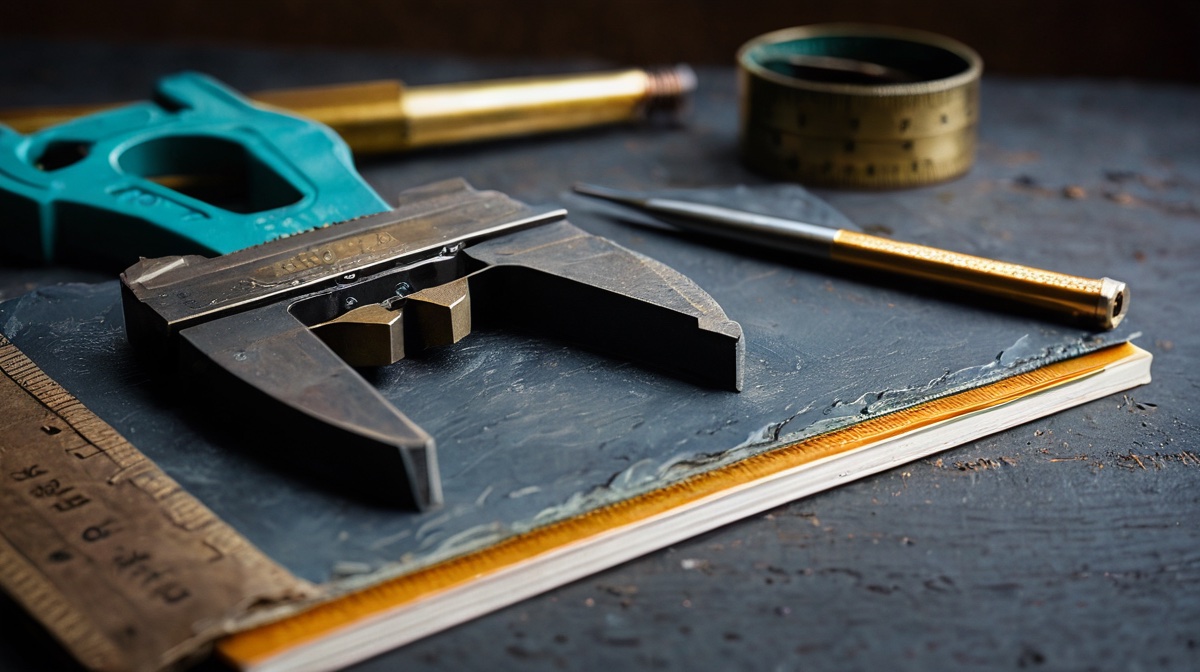
Gold, silver, platinum-group metals and titanium turn up in bespoke work far more than in catalogue work, and each one changes something concrete. None of this is about status.
Weight is the first and most underrated. Metals differ substantially in density, so the same dimensions in a heavier metal give you a heavier object hanging from the same base ring. Weight is not a comfort preference, it is a fit variable: a heavier piece drags, changes where load sits against skin, and turns a borderline ring into a wrong one. Expect the ring conversation about a dense metal to be a different one.
Hardness and wear are the second. Softer metals mark, scratch and deform, and threads cut in a soft alloy wear faster than threads cut in a hard one. Harder metals hold a finish, and finish matters more than it sounds: a surface that stays smooth stays comfortable, and one that roughens starts chafing. There is a trade rather than a winner, since a soft precious metal can usually be reworked and resized later by whoever made it, which a part you cannot alter never can.
Skin contact is the third and the one with an actual health dimension. What sits against skin for hours is the alloy, not the headline metal, and nickel is the common contact allergen in metal jewellery. Higher-purity gold, platinum-group metals and titanium get chosen partly because of what they do not contain. If you have ever reacted to a watch back or an earring, tell a maker at the start rather than find out at the end. What is safe against skin over long wear is covered in the materials guide, and none of it changes because a metal is expensive.
Tarnish and cleaning are the fourth. Some metals react with air, sweat and cleaning products, and a device gets washed constantly and sits somewhere warm and damp the rest of the time. A finish needing careful treatment is a poor match for a routine that has to happen daily, so ask what a piece will tolerate before it is made.
Removal is the fifth, and it is the one to think hardest about. A harder metal is a harder cut, and the emergency cut is the thing standing between an ordinary bad night and a genuinely bad one. That argument is made in full in the guide to extreme chastity, and it applies with more force here, because a bespoke piece is often more substantial than the stock device it replaced. Before anything is closed on you, know which tool opens it and where that tool is.
The questions worth asking before committing
A maker who is good at this will have answers ready. The absence of answers is itself the answer.
What happens if the finished piece does not fit. Is adjustment part of the job or a separate one, how many fittings are included, and who bears a remake. Ask before, not after.
What exactly is the alloy, and is it free of nickel. A vague answer here is a reason to stop.
How is it removed in an emergency, and what tool does it. Then check that you own that tool or can reach one quickly.
How is it cleaned, and what will the finish tolerate. Match that to the routine you will actually run rather than the one you imagine.
Can it be resized later, by how much, and by whom. Some designs and metals allow a great deal, some allow nothing.
What is the lead time, and what is the deposit arrangement. Both of these shape how trapped you feel later, which is the subject of the next section.
And, usefully, ask whether there is anything they will not build. A maker with clear limits has thought about the failure modes. One who will build anything asked for has not.
The part that is harder to undo
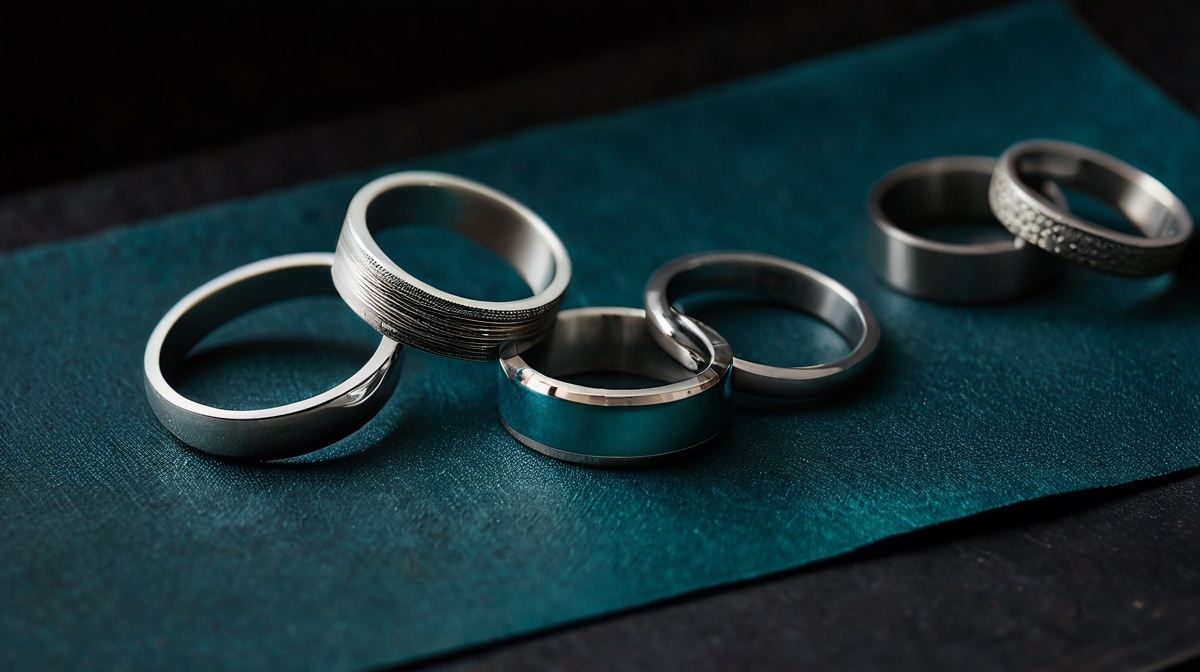
A stock device that turns out wrong goes in a drawer. Somebody is mildly annoyed and orders a different ring.
A commissioned device carries a wait, a fitting process, a deposit and often a conversation you had with someone about how much this mattered to you. All of that is sunk before the thing is worn, and sunk cost is what makes people keep wearing something they should have stopped wearing. That is the real risk of a bespoke piece, and it is psychological rather than mechanical.
Name it in advance, because it is much easier to decide this while calm. A device that hurts is a device that comes off, whatever it cost and however long it took to arrive. Pain that builds rather than settles, numbness, pins and needles, any change in skin colour, or swelling that makes removal harder are all reasons to remove it now and not at the end of the week. The full list is in the chastity cage safety guide and none of it is negotiable because a piece was made to measure. This is general information rather than medical advice, and anything that does not settle once the device is off is a reason to see a doctor.
The other half of the same problem is honesty with a maker. Reporting that a trial piece is uncomfortable feels like complaining about someone’s work. It is not. It is the job. A maker who takes that badly is not one to commission from.
A device fitted to one body at one time
A bespoke device is fitted to a body as that body was on the days it was measured, and bodies do not stay there. A weight change large enough to be noticeable in clothes is more than large enough to change how a base ring sits. Heat and cold shift things daily by smaller amounts. Illness, medication, training and age all move the numbers over longer stretches.
A stock device absorbs some of this, because the answer to a changed measurement is to order the next ring in the range for the price of a small part. A commissioned piece is a single point rather than a range. When the body moves off that point there is no next size, only an alteration or a remake.
So treat the resize route as part of the specification rather than an afterthought. Ask what can be altered before you commit. If the honest answer is that nothing can, understand that you are commissioning a device with a fitting window rather than a permanent one, and decide whether that is what you want. A piece you can no longer wear is not a keepsake, it is an expensive reminder to have asked earlier.
None of this is an argument against commissioning. A device built for one body, by someone who took the measuring seriously and adjusted it after real wear, is the most comfortable thing most long-term wearers ever own. It gets there through the fitting process, not through the invoice, and the process is the part worth insisting on.
Questions people ask
What is a custom made chastity device?
It is a device built to one person's measurements rather than selected from stocked sizes. Some are standard designs made to non-standard dimensions, some are one-off pieces designed around a particular anatomy or a particular problem. The defining feature is not luxury, it is that the fit is derived from a body rather than chosen from a list of steps.
Why can a custom device not be ordered from a size chart?
Because a chart maps you onto the nearest stocked step, which has a built-in margin, while a maker builds to the number you give them and the margin disappears. Bodies also read differently depending on temperature, time of day, hydration and arousal, so a single reading is a snapshot. Any serious maker asks for several readings taken over days, and often a trial piece worn before anything permanent is cut.
Does a gold or titanium device work better than steel?
Not better, different. Density decides how heavy the finished piece is and therefore how much load the base ring carries. Hardness decides how the surface holds up and how hard it is to cut in an emergency. Alloy content decides what sits against skin, which matters if you react to nickel. A metal that suits a light, occasional piece may be a poor choice for a heavy one worn daily.
What happens to a custom device if you gain or lose weight?
It stops fitting the way it was built to fit, and unlike a stock device you cannot simply order the next ring size. That is the single most practical argument for asking about the resize route before you commission anything: what can be altered, what cannot, and what a remake involves. A device fitted to one body at one moment is not fitted to that body forever.
Take it past the theory
Guides get you the shape of it. People get you the rest. Find others who practise control and denial and are happy to talk.
Find people who share it →