How to choose a chastity cage: fit, materials and safety
A well-chosen cage is comfortable enough to forget about, but that only happens when fit and material come before price.
Pros
- Wide range of styles and price points to suit most bodies
- Body-safe options in steel and medical-grade silicone are easy to find
- A good fit can be worn for long stretches without much thought
- Pairs naturally with a keyholding dynamic once the basics are sorted
Cons
- Getting the fit right often takes trial and error
- Very cheap devices may use unknown materials or rough edges
- Hygiene needs steady attention, especially with longer wear
The best chastity cage is the one that fits your body, uses a body-safe material such as stainless steel or medical-grade silicone, and is easy to clean and wear. Sort accurate sizing first, because comfort and safety depend on it far more than price or brand.
Choosing a chastity cage is mostly about three plain questions. Does it fit your body, is it made from something safe to wear against skin, and can you clean it without a fight. Answer those well and the name on the box stops mattering much.
Most of the frustration people report comes down to fit. A device can look perfect in a photo and still be wrong for you, so treat the choice as a fitting problem rather than a shopping problem. That one shift in mindset saves a lot of money and a lot of sore starts.
Start with fit, before anything else
Fit is the whole game. A cage that is too tight pinches and cuts off circulation. One that is too loose slips and rubs. Neither is safe to wear for long, and neither feels like anything you would want to keep on.
The two measurements that matter most are the ring that sits at the base and the length of the cage itself. Getting these right takes patience and usually more than one attempt. Our cage sizing guide walks through how to measure and what the numbers mean, and it is worth reading before you spend anything.
If you are new to this, lean toward a slightly looser base ring rather than a tighter one. You can always size down later. Starting too tight is how people end up sore on day one and put the whole idea away for good.
Pick a body-safe material

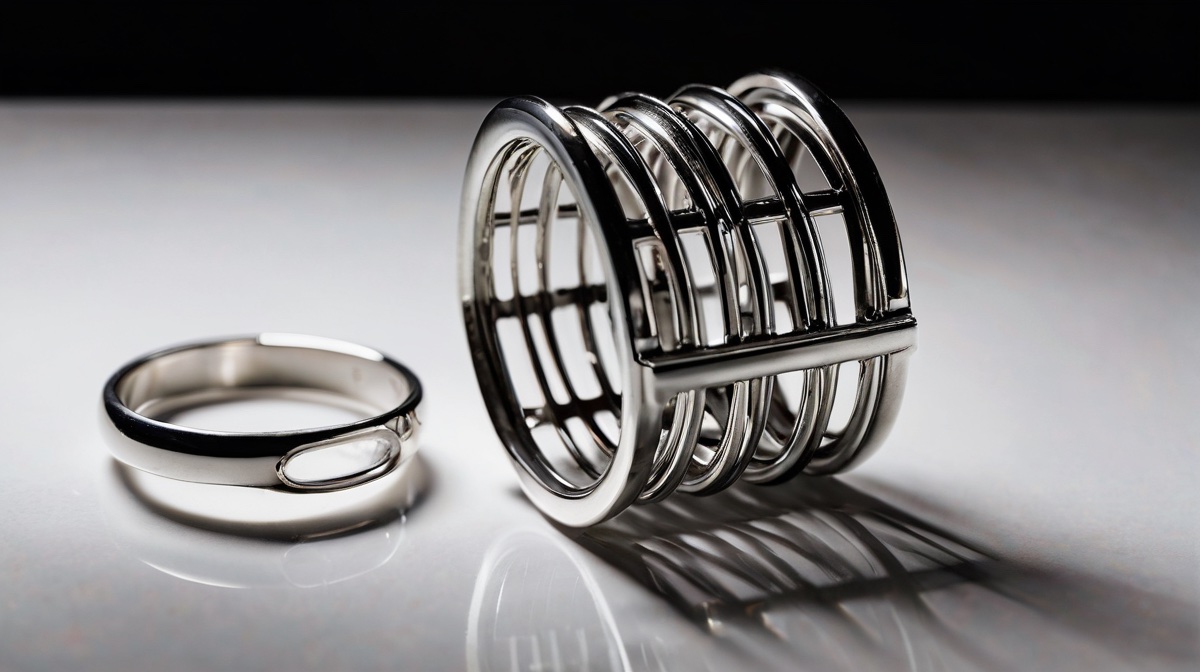
Material decides how safe a device is against skin, how it feels over a long day, and how easy it is to keep clean. The two most trusted options are stainless steel and medical-grade silicone. Both are non-porous, which means they do not soak up fluids and bacteria the way cheaper plastics can.
Steel is heavy, durable and simple to sanitise. Silicone is light, flexible and gentle for first-timers. Avoid anything sold without a clear statement of what it is made from. Unlabelled plastics and mystery coatings are the ones most likely to irritate skin or hold onto smells. Our materials guide compares the common options in more detail, including which ones to skip.
Cheap is not automatically bad, but very cheap devices are where rough seams and vague materials show up most. Run a finger around every edge before you wear anything. A sharp seam that seems minor in your hand will feel very different after a few hours.
Plan for hygiene and daily wear
A cage you cannot keep clean is a cage you will stop wearing. Think about your normal day before you buy. Longer, fully enclosed designs look impressive but can be harder to rinse and dry. Open or barred designs let water and air through more easily, which most people find simpler to live with.
Whatever you choose, expect to clean it regularly and dry it properly. Non-porous materials help, but they do not clean themselves. The skin underneath needs airflow too, so plan for removal and washing on a schedule that suits how long you wear it.
Comfort over a full day tells you more than the first ten minutes ever will. Weight, edges, and how the base ring sits while you move, sleep and use the bathroom are the things that decide whether a device gets worn or left in a drawer.
Set your safety limits first
Before a device goes on, agree the rules that end a session early. Circulation comes first, always. If you notice numbness, pins and needles, a change in skin colour toward blue or grey, or any pain that is sharp rather than dull, take the device off and let normal blood flow return. None of that is something to wait out.
A cage should never be so tight that it hurts. Discomfort that builds instead of settling is a signal, not a phase to push through. Keep the key accessible, especially early on, and never lock yourself into a situation you cannot undo quickly. Our chastity cage safety guide covers the warning signs in full, and it is the one piece here worth reading twice.
If a keyholder is involved, the same limits apply to them. Handing over control does not hand over your circulation. For how that trust usually gets set up, see how keyholding works.
Once you know your fit, your material and your limits, the rest is preference. Browse the full device reviews to compare styles, and if you want honest opinions from people who wear these things, the forum is a calmer place to ask than most.
Questions people ask
What size chastity cage should a beginner get?
Measure carefully and, if you are between sizes, choose the slightly looser base ring. A cage that is a touch generous is far safer and more comfortable than one that pinches. You can size down later once you know how your body reacts to wear.
Are cheap chastity cages safe to use?
Some are fine and some are not. The risk with very cheap devices is unknown materials and rough seams. If a seller will not say what a device is made from, skip it. Stick to clearly labelled stainless steel or medical-grade silicone and check every edge before wearing.
How do I know if a cage fits correctly?
A good fit stays put without pinching, leaves no deep marks, and lets you feel normal skin temperature and sensation underneath. If you get numbness, colour changes or sharp pain, it does not fit and should come off. Comfort across a full day matters more than the first few minutes.
Thinking about this one?
Sizing and comfort are personal, and other owners will tell you the parts a spec sheet won't. Ask before you commit.
Find people who own it →