Types of chastity devices: a plain overview of the main styles
There is no single best type, only the style that matches your body, your hygiene needs and how long you plan to wear it.
Pros
- A style exists for most bodies and comfort needs
- Open designs are easier to clean than fully enclosed ones
- Materials range from light silicone to durable steel
- Understanding the types makes a first purchase less of a gamble
Cons
- No single type suits everyone, so some trial is likely
- Fully enclosed styles can be harder to keep clean
- Fit still has to be sorted whatever the type you pick
The main types of chastity devices are full tube cages, open or barred cages, and ring-focused minimalist designs, in materials like stainless steel and medical-grade silicone. The right type depends on your fit, how easy it is to keep clean, and how long you plan to wear it.
The main types of chastity devices are full tube cages, open or barred cages, and ring-focused minimalist designs, made in materials like stainless steel and medical-grade silicone. There is no single best type. The right one depends on your fit, how easy it is to keep clean, and how long you plan to wear it.
This overview maps out the main styles so a first purchase feels less like a gamble. Once you know the categories, comparing specific devices gets a lot simpler.
Full tube cages
The full tube cage is the style most people picture. It has a base ring behind everything and an enclosed cage in front, fully surrounding rather than leaving much open. It gives a strong sense of enclosure, which is part of the appeal for many wearers.
The trade-off is hygiene. A fully closed design can trap moisture and is more work to rinse and dry, which becomes a bigger deal the longer you wear it. Fit still rules everything, so whichever tube you like, the sizing has to be right before comfort or safety follow.
Within the tube category there is still plenty of variation in length, weight and how enclosed the design is. Two tube cages can feel quite different to wear, so the type is a starting point rather than the final answer. Fit and material still decide whether a specific tube suits you.
Open and barred designs
Open and barred cages take the same base-ring idea but leave gaps in the cage, with slots or bars instead of a solid shell. They are extremely common for one practical reason. They are easier to clean, because water and air pass straight through, so rinsing and drying take less effort.
That airflow also tends to make longer wear more comfortable for many people. For a first device especially, this ease of cleaning is worth more than a sleek closed look, which is why our beginner cage guide leans this way. The enclosure feels slightly less total than a full tube, which some like and others do not.
Ring-focused and minimalist styles
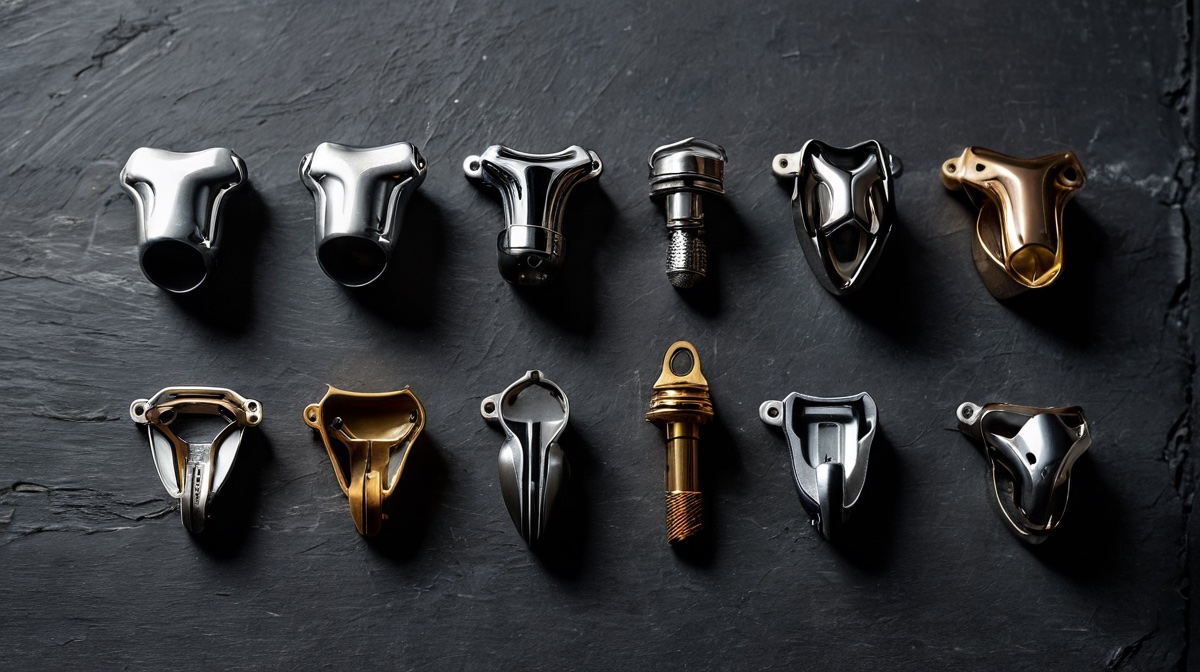
At the lighter end sit minimalist and ring-focused designs, which use less material and offer a gentler, less enclosed experience. Some wearers prefer these for comfort or discretion, or as a lower-commitment way to start.
It helps to be clear about what a simple ring does and does not do. A basic ring supports firmness rather than controlling climax, which our guide to cock rings for orgasm control explains in full. For genuine control or denial, a proper cage is the tool. Choosing the material sensibly still matters here, so our materials guide is worth a look whatever the style.
Beyond cages: e-stim and app-linked devices

Two other categories sit alongside cages rather than replacing them. E-stim units are stimulation tools that some people use for edging, covered in our piece on e-stim for edging. Control apps add a remote layer to a physical device, which our look at remote control chastity apps breaks down.
Neither of these restricts access on its own. They are ways to add sensation or distance to a dynamic, and they work best paired with the right hardware and clear communication rather than treated as a device in themselves.
Combining tools is common once the basics are comfortable, but each added layer is another thing that can fail or need cleaning. Add one at a time, learn how it behaves, and keep the core setup simple and safe before you build on it.
How to choose between the types
Start with three questions. How long do you plan to wear a device, how much cleaning effort suits your routine, and how enclosed do you want to feel. Your answers point you toward a type before you ever compare specific products.
There is no shame in getting the first choice slightly wrong. Many people go through one or two devices before they land on a style and size that feels right, and that is a normal part of learning what suits you. Buying modestly at first leaves room to adjust without much waste.
From there, fit and material decide the rest, and those principles hold across every style. Our guide on how to choose a chastity cage pulls it together, and the chastity cage safety guide covers the warning signs that apply no matter what you wear. Browse the reviews index to compare, and drop into the forum if you want real opinions before deciding.
Questions people ask
What is the most common type of chastity device?
The full tube cage is the most recognised style, with a base ring and an enclosed cage. Open or barred versions of the same idea are also very common because they are easier to clean and let air through. Both share the same fit and safety principles, so the choice is mostly about comfort and hygiene.
Which type of chastity device is easiest to clean?
Open and barred designs are the easiest, because water and air pass through them freely, so they rinse and dry with less effort. Fully enclosed tube designs look neat but can trap moisture and are more work to keep hygienic, which matters more the longer you wear a device.
Are e-stim units and apps types of chastity device?
Not in the strict sense. E-stim units are stimulation tools and apps are control layers that pair with hardware, so they sit alongside cages rather than replacing them. They can play a part in a wider dynamic, but the device that actually restricts access is still the cage.
Thinking about this one?
Sizing and comfort are personal, and other owners will tell you the parts a spec sheet won't. Ask before you commit.
Find people who own it →