Chastity belts explained: full coverage devices vs cages
A well-fitted belt delivers coverage no cage can match, but the fit, cost and hygiene demands keep it a niche choice rather than a sensible first device.
Pros
- Full coverage with no realistic pullout, unlike most cages
- Rigid construction spreads pressure across the hips rather than one point
- Suits long-wear plans once fit and hygiene are properly sorted
Cons
- Fit is far harder to get right than with a cage
- Bathroom use and cleaning need real planning
- Good belts cost several times a decent cage
- Bulk shows under fitted clothing
A chastity belt is a rigid, waist-mounted device that covers the genitals completely behind a locked shield, where a cage anchors locally with a base ring. Belts offer full coverage and no realistic pullout, but harder fitting, higher cost and heavier hygiene demands keep them a niche next to cages.
A chastity belt is a rigid device that mounts around the waist or hips and covers the genitals completely, where a cage locks around them locally. That one structural difference drives everything else. Belts give fuller coverage and far less chance of pullout, and in exchange they demand harder fitting, more money and a stricter hygiene routine. Cages outsell them heavily for those reasons, yet belts hold a real place for a specific kind of wearer.
This is a type-level explainer, not a product roundup, so no brands appear here. The aim is to help you decide whether the belt category deserves a spot on your shortlist at all.
What a chastity belt actually is
The classic belt has a waistband, usually steel with a polymer or silicone lining, and a shield that runs from the front, passes between the legs and anchors at the back. The shield covers the genitals entirely rather than enclosing only part of them. A lock joins the parts into one rigid assembly, and openings in the shield allow bathroom use without removal, with varying degrees of success.
Female-styled belts follow this logic with a smooth front shield. Male-styled versions usually integrate a small tube or cage behind the shield. Both are the same idea underneath: coverage secured from the waist, not from the anatomy itself.
Cages, by contrast, anchor on the body with a base ring. That makes them lighter and simpler to live with, and also easier to defeat, since a determined wearer can often pull out of one.
Who picks a belt over a cage
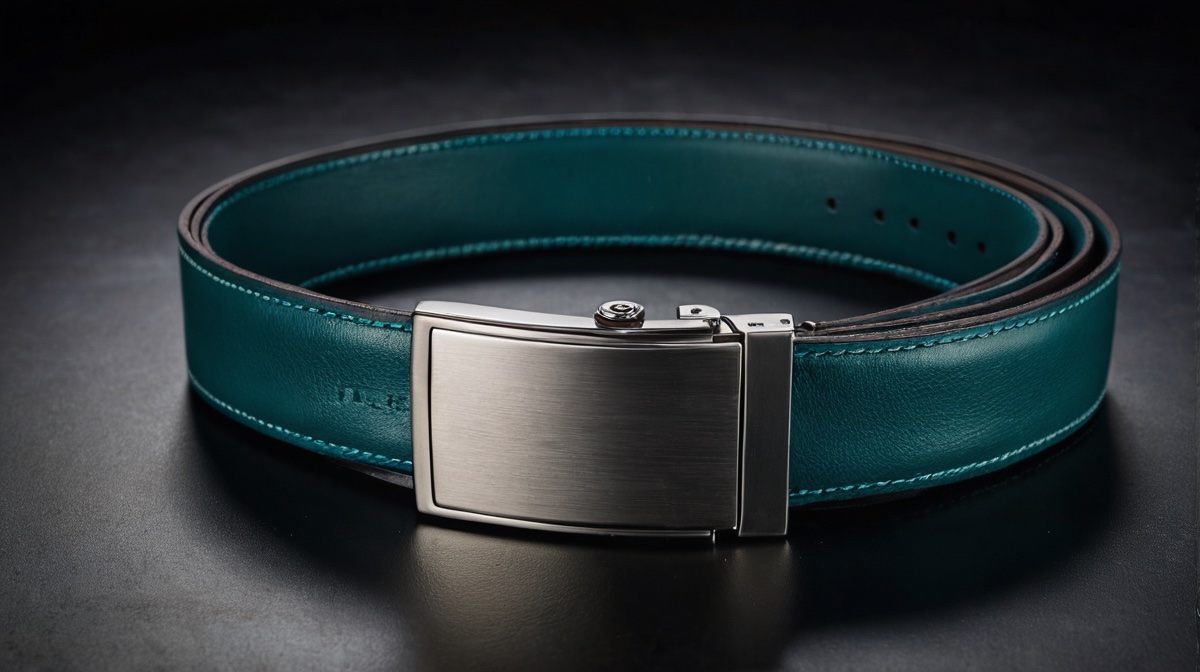
Three groups, mostly. The first wants coverage rather than restriction alone. A belt blocks contact and sight entirely, which some wearers specifically want from the device. The second group cares about the no-pullout logic: a cage relies on the base ring staying put, while a properly fitted belt can’t be slipped without unlocking it, and people who feel a cage leaves them a loophole tend to land here. The third group plans genuinely long wear and prefers pressure spread across the hips instead of concentrated on one ring of tissue.
None of those reasons is exotic. They just describe a minority of buyers, and the market reflects that.
Fit and hygiene realities
Fit is where belts get difficult. A cage needs two measurements. A belt needs the waist, the hips, the crotch length, and the way all three change when you sit, bend and walk. Rigid steel doesn’t forgive a centimetre of error the way a flexible ring does, so a belt that fits standing can pinch badly seated. Expect careful measuring, adjustment and sometimes a second attempt before a belt disappears into daily movement.
Hygiene needs the same honesty. The shield sits against skin all day, bathroom use happens through openings rather than freely, and moisture gets trapped more readily than in an open cage. Daily washing of both body and device is the baseline, and the routine in our cage cleaning guide applies here doubled. Check the skin under the waistband and shield every day for rubbing, because a pressure sore under steel takes weeks to heal.
Materials, cost and why cages still dominate
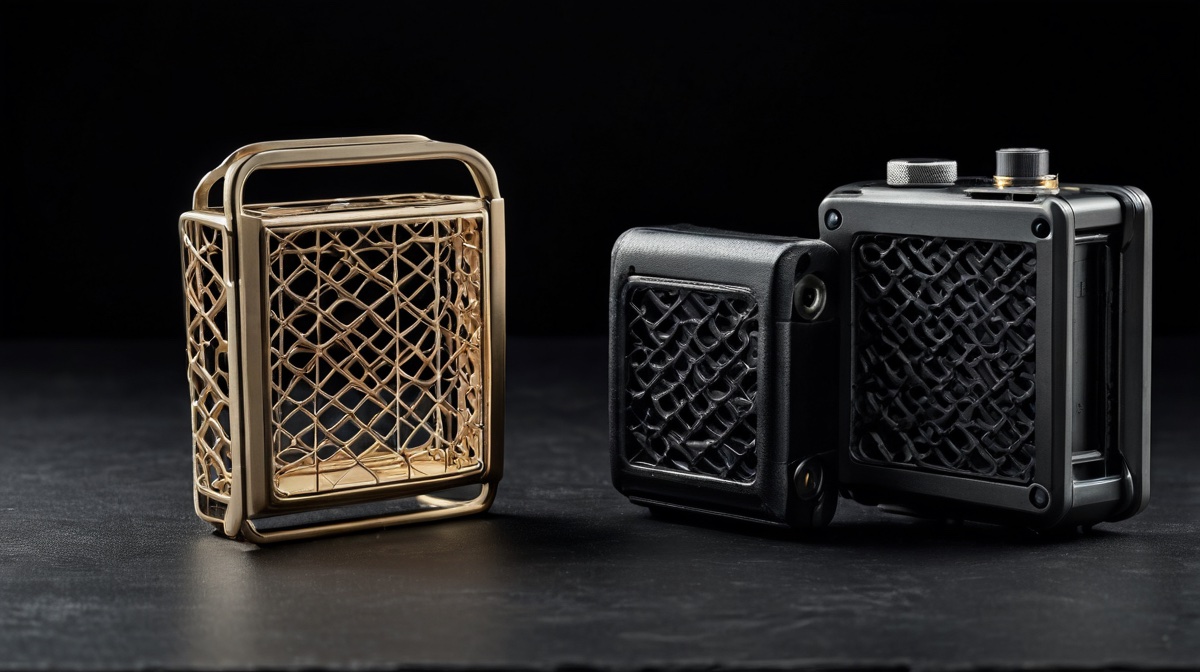
Good belts are stainless steel with medical-grade silicone or polymer lining at every contact point. Cheap belts exist, and they’re where sharp edges, mystery metals and flaking coatings concentrate. The material rules from cages carry over unchanged, and so do the warning signs in our safety guide: numbness, colour change and sharp pain all mean the device comes off now, not after the session.
Cages dominate the market anyway, and for defensible reasons. They cost a fraction of a well-made belt, fit is achievable on a first or second try, they hide under clothing, and cleaning takes minutes. A belt is bulkier, pricier, harder to fit and slower to live with. For most buyers, especially first-time buyers, a cage answers the need with far less friction, which is why our advice on how to choose a chastity cage is the sensible starting point even if you suspect you’ll end up in a belt eventually.
If full coverage or the no-pullout logic genuinely matters to you, a belt does something no cage can, and the fitting effort buys a result cages don’t offer. Go in knowing the demands, and treat any belt you can’t measure for, clean easily or remove quickly as one you don’t want.
Questions people ask
What is the difference between a chastity belt and a chastity cage?
A belt mounts around the waist and hips and covers the genitals completely with a locked shield, while a cage anchors on the body with a base ring and encloses far less. Belts give fuller coverage and no realistic pullout. Cages are lighter, cheaper and much easier to fit and clean.
Can a chastity belt be worn all day?
A well-fitted belt can be, and spreading pressure across the hips is one reason long-wear users pick them. The conditions are strict though: the fit has to survive sitting and walking, skin needs daily checks, and washing has to happen on schedule. An ill-fitting belt shouldn't be worn for even one full day.
Why are chastity belts more expensive than cages?
A belt uses far more material, needs lining at every contact point, and often involves made-to-measure work before it fits at all. A cage is a small standardised object by comparison. The price gap reflects real construction differences, so a suspiciously cheap belt deserves extra scrutiny.
Thinking about this one?
Sizing and comfort are personal, and other owners will tell you the parts a spec sheet won't. Ask before you commit.
Find people who own it →