E-stim for edging explained: how it works and starting safely
E-stim is a capable, hands-free edging tool for the curious, but its safety rules are strict and not open to shortcuts.
Pros
- Hands-free stimulation you can control in fine steps
- Adjustable intensity suits slow build-up and edging
- Sensation differs from manual play, which some people prefer
- Quality units last for years with basic care
Cons
- Strict safety limits on placement and health conditions
- Not suitable for people with pacemakers, heart problems or epilepsy
- Real learning curve to find comfortable settings
- Body-safe electrodes and proper contact add fiddly steps
E-stim uses gentle electrical pulses to create stimulation you can dial up and down, which makes it well suited to hands-free edging. It works, but it comes with firm rules: keep all current below the waist, never route it near the heart, and avoid it entirely if you have a pacemaker or heart condition.
E-stim uses gentle electrical pulses to create a sensation you can turn up and down by hand, which makes it genuinely good for hands-free edging. It works well for the curious. It also comes with safety rules that are strict and not open to negotiation, and those rules come before anything else on this page.
The short version is this. All current stays below the waist, never near the heart, and e-stim is off the table entirely for anyone with a pacemaker or heart condition. Read the safety section before the shopping one.
What e-stim is and how it feels
E-stim, short for electro-stimulation, sends small electrical pulses between two contact points to create sensation. At low settings it feels like a light buzz or tingle. Turned up gradually, it becomes a fuller, pulsing sensation that many people find easy to ride toward an edge and back again.
The appeal for edging is control. Because you adjust intensity in fine steps, you can build arousal slowly, hold near the edge, then ease off by turning a dial rather than moving your hands. It feels different from manual stimulation, which is part of why some people prefer it. If edging itself is new to you, our overview of what orgasm control is sets the wider scene.
Sensation is very individual with e-stim. What feels like a gentle pulse to one person can feel intense to another at the same setting, and it changes with electrode placement, contact quality and even hydration. That variability is part of why starting low and exploring slowly matters so much. There is no universal correct setting, only the one that feels right for you on a given day.
The safety rules that come first
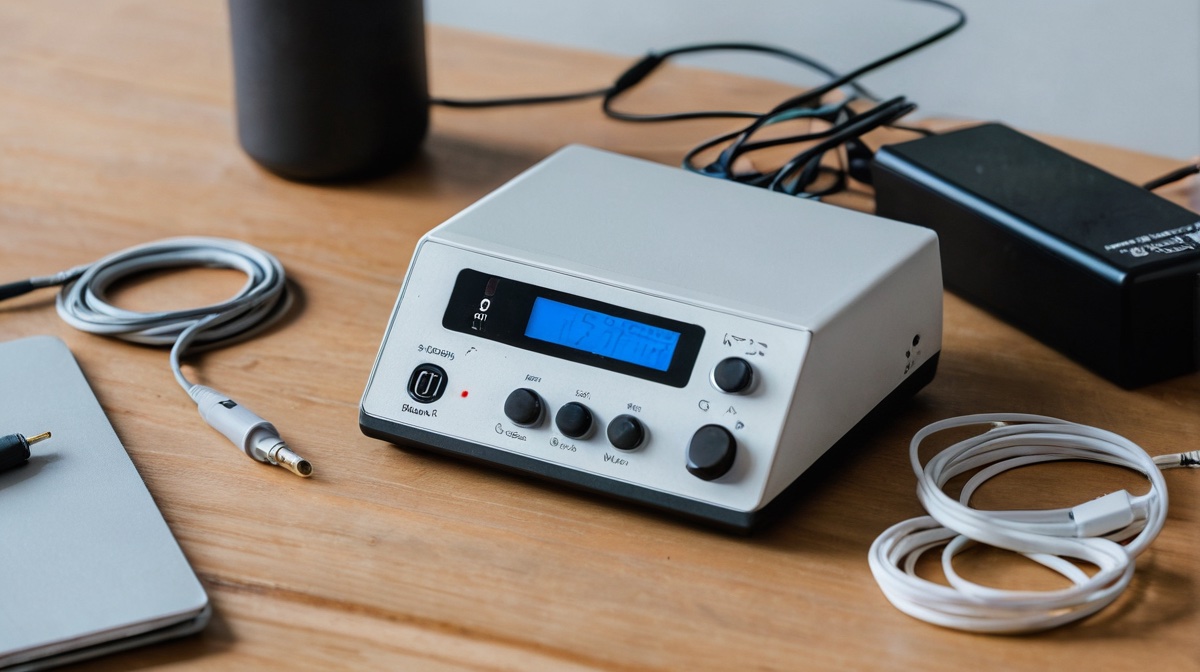
This is the part that matters most, so here it is plainly. Keep all electrode contact below the waist. Current must never cross the chest, heart, head or throat, because routing electricity across the torso can interfere with the heart. That is the single most serious hazard with e-stim, and it is why the below-the-waist rule has no exceptions.
Some people should not use e-stim at all. That includes anyone with a pacemaker or implanted electronic device, a heart condition, epilepsy or a seizure disorder, and anyone who is pregnant. If any of those apply, this is a firm no, and a doctor is the right person to ask about alternatives. For everyone else, start at the lowest setting, increase slowly, and stop at once if anything feels sharp, burning or wrong. General edging cautions still apply too, and our chastity cage safety guide covers the circulation and skin signals worth knowing across any device.
Choosing a unit and electrodes
Buy a unit made for intimate e-stim, with adjustable intensity and clearly body-safe electrodes. Purpose-built units are designed for this kind of use, with sensible power limits and controls you can trust. Chasing the most powerful device you can find is the wrong instinct here.
Electrodes and contact are where quality shows. Body-safe conductive materials, clean contact, and the right conductive gel or moisture all make the sensation smooth rather than harsh. Poor contact causes hot spots, which is where discomfort and skin irritation come from. Keep electrodes clean, follow the maker’s instructions, and replace worn parts rather than pushing them past their life.
Starting low and edging with it
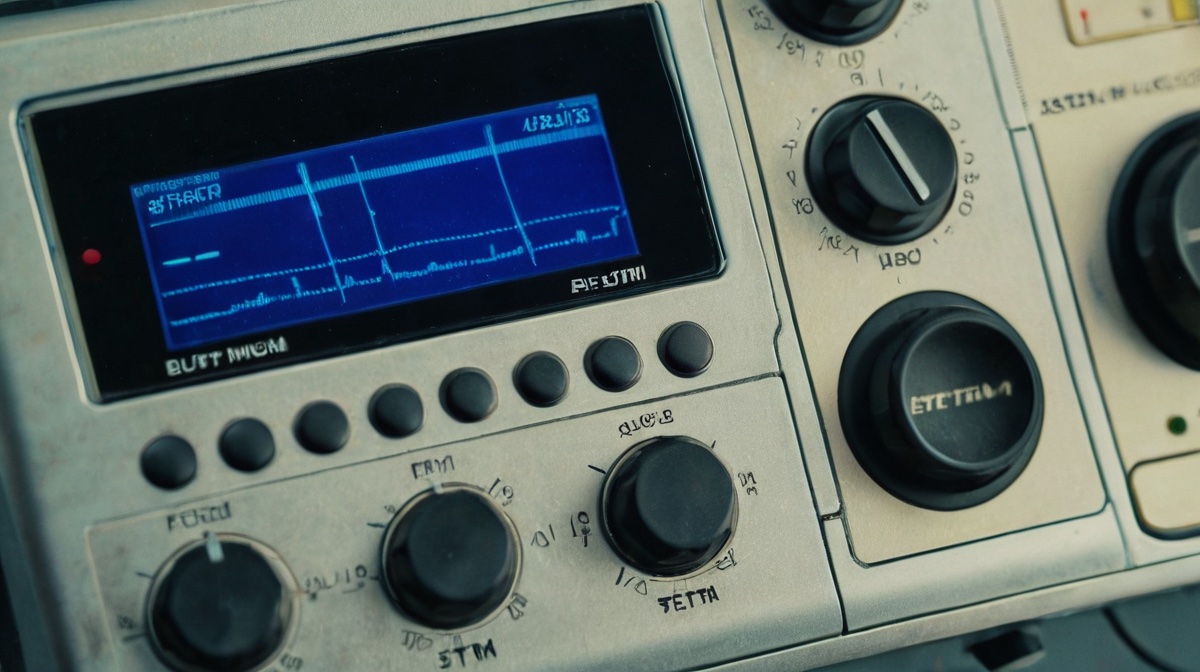
Once safety and setup are sorted, the technique is familiar. Begin at the lowest intensity and give yourself time to learn what each step feels like before going higher. Build arousal gradually, ease back before the point of no return, and rest between rounds just as you would with any edging.
Go slowly the first few sessions and treat them as learning rather than performance. Note the settings that work so you are not fishing around next time. Keep your sessions time-limited at first, and pay attention to the skin under the electrodes when you finish. Mild redness that fades is normal. Anything that stings, blisters or stays irritated means the contact or the setting was too harsh, and it is worth adjusting before the next time. As with any edging, stop for the day if you feel sore or raw rather than pushing on.
If you enjoy combining tools later, some people pair e-stim with app-based play, which our look at remote control chastity apps covers. To see where e-stim sits among other gear, browse types of chastity devices and the wider reviews index. The forum is a sensible place to ask before your first session.
Questions people ask
Is e-stim safe to use for edging?
For healthy adults who follow the rules, yes. The core rules are firm: keep all current below the waist so it never crosses the chest or heart, start at the lowest setting, and use body-safe electrodes. Anyone with a pacemaker, heart condition, epilepsy, or who is pregnant should not use e-stim at all.
Where should you never place e-stim electrodes?
Never place electrodes anywhere that routes current across the chest, heart, head or throat. All contact stays below the waist. Crossing the torso risks interfering with the heart, which is the single most serious hazard with e-stim, so this rule has no exceptions.
Do I need a special unit for e-stim edging?
Use a unit made for intimate e-stim with adjustable intensity and body-safe electrodes. Repurposing medical TENS units is common but not designed for this, and improvised setups are a bad idea. Start with the lowest power and a simple, reputable unit rather than the most powerful one you can find.
Thinking about this one?
Sizing and comfort are personal, and other owners will tell you the parts a spec sheet won't. Ask before you commit.
Find people who own it →