Best chastity cage for beginners: what to look for first
The best beginner cage is light, forgiving on fit and simple to clean, which matters far more than an impressive-looking design.
Pros
- Lightweight starter designs are easy to get used to
- Open styles are simpler to clean and dry
- Lower cost of entry while you learn what suits you
- A forgiving fit reduces early soreness and false starts
Cons
- You may outgrow a basic device as preferences develop
- Very cheap starter kits can cut corners on materials
- Still requires careful measuring and good safety habits
The best chastity cage for beginners is a lightweight, well-fitting device in a body-safe material, with a slightly looser base ring and an open design that is easy to clean. Comfort and hygiene matter far more than advanced features at this stage.
The best chastity cage for beginners is a light, well-fitting device in a body-safe material, with a slightly looser base ring and a design that is easy to clean. Comfort and hygiene beat clever features every time at this stage. The fancy stuff can wait until you know what you actually enjoy.
Almost every bad first experience traces back to the same causes. Wrong size, harsh material, or a design that is a chore to keep clean. Avoid those three and your first cage will do its job quietly.
What actually matters for a first cage
Ignore the marketing and focus on the basics. A first device should be light enough that you stop noticing it, made from a material you can trust against skin, and simple enough to clean without a routine you will abandon by week two.
Body-safe material is non-negotiable. Stainless steel and medical-grade silicone are the two reliable choices, and silicone is often the gentler start because it flexes a little and warms up fast. Our materials guide explains the trade-offs, but for a first purchase the short version is to pick a clearly labelled body-safe option and skip anything vague or suspiciously cheap.
It also helps to be realistic about your goals. A first device is for learning how your body responds and whether you enjoy the feeling at all, so there is no need to buy for a fantasy setup you have not tried yet. Plenty of people find their tastes change once they have worn something for a week, which is another reason to keep the first purchase modest.
Fit and comfort come before features
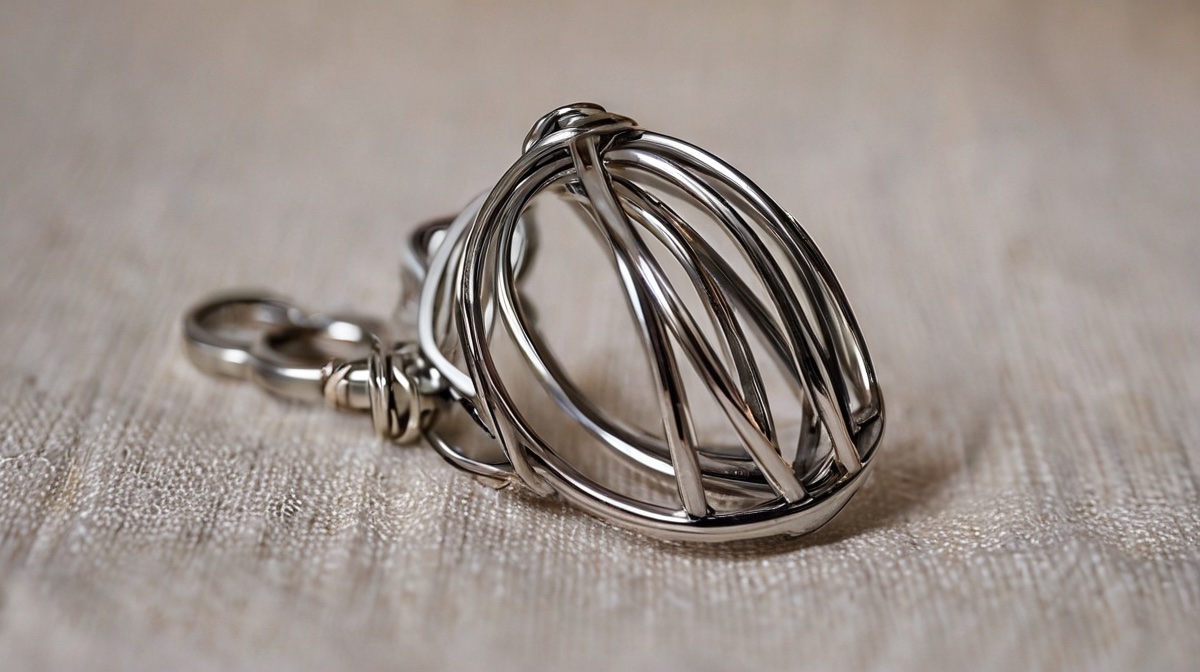
Fit will make or break your start far more than any feature on the box. A beginner cage should sit securely without pinching, and the base ring is where that comfort lives. If you are between sizes, go looser. You can adjust down later, but a too-tight ring on day one is how people give up.
Take the time to measure properly before you buy anything. Our cage sizing guide walks through the two measurements that matter and how to take them without guessing. For the wider picture of matching a device to your body, how to choose a chastity cage covers the ground in more depth.
Keep early sessions short. Build up wear time slowly as you learn how your skin and body respond. There is no reward for enduring a long first stretch, and comfort over a full day tells you more than the first hour ever will.
Keep the first one simple to clean
Hygiene habits are easiest to build when the device makes them easy. Open or barred designs let water and air through, so they rinse and dry with less effort than fully enclosed tubes. For a first cage, that simplicity is worth more than a sleek closed look.
Plan to remove the device, clean it and check your skin on a regular schedule. Non-porous materials help here, since they do not hold onto residue, but nothing cleans itself. A device you can maintain in two minutes is a device you will keep wearing. One that needs a production every time will end up in a drawer.
A simple routine works best. Rinse the device with warm water and a mild, unscented soap, rinse again, and dry it fully before it goes back on. Damp skin under a cage is what leads to irritation, so drying properly is as important as the wash itself.
Safety habits to build from day one

Good habits started early stay with you, so build them now while everything is new. Keep the key within reach, especially in the first weeks. Never lock yourself into a situation you cannot quickly undo. And learn the warning signs before you need them.
Circulation always comes first. Numbness, pins and needles, a colour shift toward blue or grey, or pain that grows rather than settles all mean take the device off and let normal blood flow return. Our chastity cage safety guide lists these in full and is the most important read on this page.
If a partner will hold the key, get on the same page about all of this before you start. A quick look at how keyholding works helps set expectations, and the forum is a friendly place to ask beginner questions without judgement. When you are ready to compare, the reviews index has the rest.
Questions people ask
Should a first chastity cage be steel or silicone?
Silicone is usually the kinder first choice. It is light, slightly flexible, and warms up fast, so the early days of wear feel less intense. Steel is excellent but heavier and less forgiving of small sizing errors. Both are body-safe, so start with whichever comfort profile appeals more.
How long should a beginner wear a cage at first?
Start with short sessions and build up slowly as you learn how your body reacts. Remove the device to clean and check your skin regularly. There is no prize for a long first stretch, and pushing through discomfort only teaches you to ignore signals you should be listening to.
Do I need an expensive cage to start?
No. A simple, well-fitting device in a clearly labelled body-safe material does everything a beginner needs. Spend your effort on getting the size right rather than on features. You can always invest in something fancier once you know what you actually like and what fits.
Thinking about this one?
Sizing and comfort are personal, and other owners will tell you the parts a spec sheet won't. Ask before you commit.
Find people who own it →