Six months of handing over the keys
Six months into a keyholding dynamic, the biggest change was not physical. It was how much closer it made us, once we learned to talk about it honestly.
I want to be honest that I resisted the idea for a long time before I tried it. My partner brought it up first, gently, the way you float something you are not sure about. She asked how I would feel about her deciding when I got to finish. I laughed it off that night. I thought about it for weeks afterwards.
What eventually won me over was not the kink itself. It was curiosity about the handover. I am someone who carries a lot, who plans and manages and rarely lets go of anything. The notion of giving one specific decision to someone else, and trusting her with it, landed somewhere I did not expect.
How we actually started
We began small, which I would tell anyone to do. No device, no rules, just one evening where she was in charge of the outcome and I was not. We agreed beforehand exactly what that meant and how I could stop it, and we agreed a word that ended everything with no questions asked. That word turned out to matter more than anything else, because knowing it was there let me relax into the rest.
The first few times were clumsy. I second-guessed, she over-checked, we both kept breaking character to ask if the other was okay. That awkwardness was the sound of two people being careful with each other, and I would take it over the alternative any day.
What surprised me

The thing nobody had told me is how much of it happens outside the bedroom. A dynamic like this does not switch off when you get dressed. There is a low hum to the day when someone else is holding that decision, and it colours ordinary moments. A text at lunch could carry a weight it never used to. Waiting became its own kind of intimacy.
It also surprised me how tender it was. I had assumed control meant something harsh, all commands and denial. For us it was mostly soft. She paid attention. I felt looked after in a way that had nothing to do with restriction and everything to do with being the focus of someone’s care.
The hard part
The genuinely hard part was talking. Not the setup conversation, the ongoing ones. It is easy to agree to something in a charged moment and much harder to say, a week later, that a part of it is not working. We learned to check in on a regular rhythm rather than waiting for a problem to grow. Short, plain conversations. What felt good. What did not. What I needed more or less of.
There was one stretch where I stayed quiet about feeling low, and it soured for a bit before I admitted it. That taught me the whole thing rests on me telling the truth about how I am doing, and on her actually wanting to hear it. She did. That was the reassurance I did not know I needed.
Where we are now
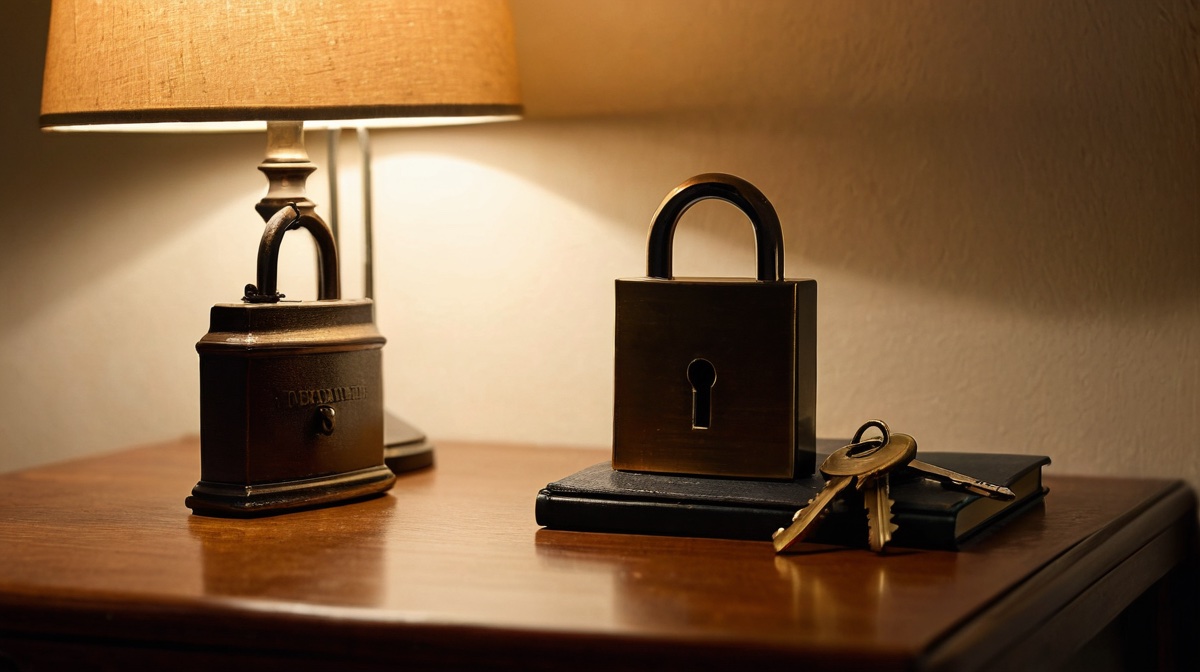
Six months on, we still do it, and we still change how we do it. Some months are intense and some are barely there, depending on work and mood and everything else life throws in. The lock, when we use one, is almost beside the point. What stuck is the habit of handing something over and being held while I do, and the closeness that came from learning to say what I mean. I did not expect a kink to make me a better communicator. This one did.
Questions people ask
Did handing over control feel like losing something?
At first it felt like a risk more than a loss. Once I trusted that my partner would actually listen when I needed to stop, it turned into relief rather than a sacrifice.
How did you two talk about it without it being awkward?
Badly, at the start. We got better by treating it like any other part of the relationship, with regular check-ins rather than one big nervous conversation.